


Cricket is a physically demanding sport that requires strength, endurance, speed, concentration, and quick recovery. Whether you are a beginner or an experienced player, your performance on the field depends not only on your training but also on your nutrition. Best diet plan for cricket players is an essential thing. Following the Best Diet Plan for Cricket Players can help improve energy levels, support muscle recovery, and maintain overall fitness throughout the season.
Many players focus heavily on practice sessions and fitness drills while ignoring their diet. However, proper nutrition is just as important as batting, bowling, and fielding practice. A balanced diet helps players stay active during long matches, recover faster after intense training, and reduce the risk of injuries.
In this guide, you will learn the Best Diet Plan for Cricket Players, essential nutrients, meal timing strategies, hydration tips, and Cricket Fitness Tips for Beginners to Improve Strength, Speed and Endurance.
Why Nutrition Matters for Cricket Players
Cricket requires a combination of physical and mental performance. Players spend hours on the field, often under challenging weather conditions. Without proper nutrition, fatigue can affect concentration, reaction time, and overall performance.
A good diet helps cricket players:
- Maintain consistent energy levels
- Improve strength and muscle development
- Enhance endurance during long matches
- Speed up recovery after training
- Support immune system function
- Improve focus and decision-making
The Best Diet Plan for Cricket Players should include a balance of carbohydrates, proteins, healthy fats, vitamins, and minerals.
Essential Nutrients for Cricket Players
Carbohydrates
Carbohydrates are the primary source of energy for athletes. Cricket players need adequate carbohydrate intake to fuel training sessions and matches.
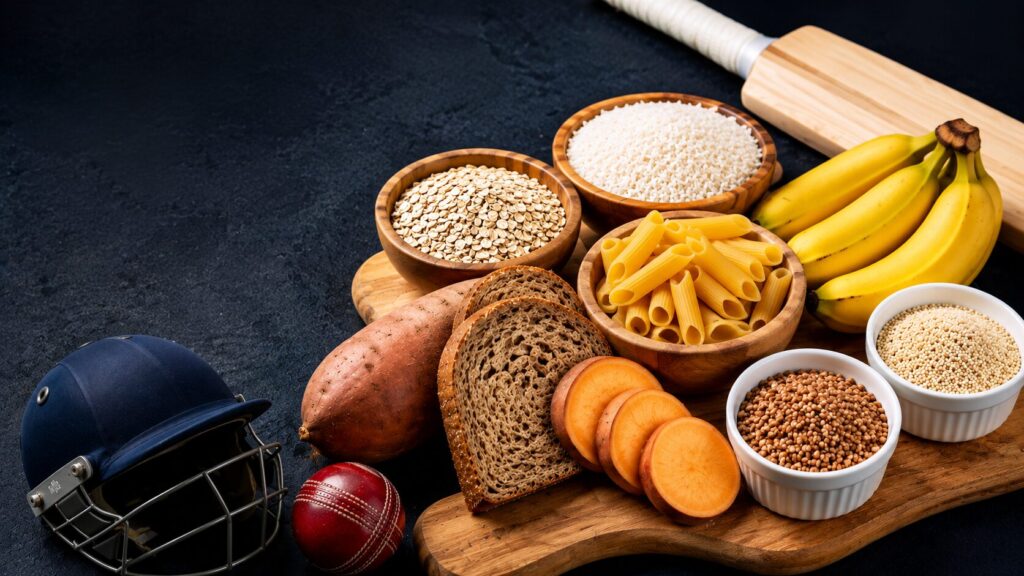
Good carbohydrate sources include:
- Oatmeal
- Brown rice
- Whole wheat bread
- Sweet potatoes
- Fruits
- Quinoa
- Whole grain pasta
Complex carbohydrates provide steady energy and help prevent fatigue during long periods of play.
Protein
Protein is crucial for muscle repair and recovery. After training or matches, muscles need protein to rebuild and become stronger.
Good protein sources include:
- Chicken breast
- Fish
- Eggs
- Greek yogurt
- Cottage cheese
- Lentils
- Beans
- Tofu
Aim to include a protein source in every meal.
Healthy Fats
Healthy fats support hormone production and provide long-lasting energy.
Healthy fat sources include:
- Avocados
- Nuts
- Seeds
- Olive oil
- Peanut butter
- Fatty fish
Avoid excessive consumption of processed and fried foods.
Vitamins and Minerals
Micronutrients help maintain overall health and athletic performance.
Important nutrients include:
- Iron for oxygen transport
- Calcium for strong bones
- Vitamin D for bone health
- Magnesium for muscle function
- Potassium for hydration balance
A diet rich in fruits and vegetables helps meet these nutritional needs.
Best Diet Plan for Cricket Players Throughout the Day
Breakfast
Breakfast is one of the most important meals for cricket players. It provides energy for training and daily activities.
A healthy cricket breakfast may include:
- Oatmeal with fruits
- Whole wheat toast
- Boiled eggs
- Greek yogurt
- A banana
- Milk
This combination provides carbohydrates, protein, and essential nutrients.
Mid-Morning Snack
A nutritious snack helps maintain energy levels between meals.
Healthy snack options include:
- Mixed nuts
- Fruit salad
- Yogurt
- Protein smoothie
- Peanut butter sandwich
Lunch
Lunch should provide a balanced combination of carbohydrates, protein, and vegetables.
Example lunch:
- Grilled chicken breast
- Brown rice
- Mixed vegetables
- Salad
- Fresh fruit
This meal supports muscle recovery and sustained energy.
Pre-Training Snacks
Before practice, players need a light meal that provides quick energy.

Pre-Training SnacksGood options include:
- Banana
- Oats bar
- Whole grain toast
- Fruit smoothie
Avoid heavy meals immediately before training.
Dinner
Dinner should focus on recovery and muscle repair.
Example dinner:
- Grilled fish or chicken
- Sweet potatoes
- Steamed vegetables
- Salad
A balanced dinner helps prepare the body for the next day’s training.
Evening Snack
If needed, a light evening snack can support overnight recovery.
Options include:
- Cottage cheese
- Greek yogurt
- Milk
- Handful of nuts
Hydration Tips for Cricket Players
Hydration is often overlooked but plays a critical role in cricket performance.
Dehydration can cause:
- Reduced concentration
- Muscle cramps
- Fatigue
- Poor decision-making
To stay hydrated:
- Drink water throughout the day
- Consume fluids before training
- Drink during breaks in matches
- Replace lost fluids after exercise
During long matches, sports drinks may help replenish electrolytes.
Match Day Nutrition Strategy
The Best Diet Plan for Cricket Players changes slightly on match days.
Before the Match
Eat a meal rich in carbohydrates and moderate in protein about three to four hours before play.
Examples:
- Oatmeal with fruit
- Whole grain toast with eggs
- Rice with chicken
Avoid greasy or heavy foods.
During the Match
Focus on maintaining energy levels.
Suitable options include:
- Bananas
- Energy bars
- Dates
- Sports drinks
- Fresh fruit
These foods provide quick energy without causing digestive discomfort.
After the Match
Recovery nutrition is essential.
Consume:
- Lean protein
- Complex carbohydrates
- Plenty of fluids
A recovery meal helps repair muscles and restore energy reserves.
Cricket Fitness Tips for Beginners to Improve Strength, Speed and Endurance
Nutrition and fitness go hand in hand. Along with following the Best Diet Plan for Cricket Players, beginners should focus on building overall athletic ability.
Strength Training
Strength improves batting power, bowling performance, and fielding ability.
Beginner exercises include:
- Squats
- Lunges
- Push-ups
- Planks
- Deadlifts
Strength sessions should be performed two to three times per week.
Speed Training
Quick acceleration is important in cricket.
Effective speed drills include:
- Sprint intervals
- Shuttle runs
- Ladder drills
- Cone drills
These exercises improve reaction time and movement efficiency.
Endurance Training
Cricket matches can last for several hours.
To improve endurance:
- Jog regularly
- Perform interval training
- Cycle
- Swim
Improved endurance helps players stay focused and energetic throughout the game.
Recovery and Sleep
Recovery is a vital part of any fitness program.
Players should:
- Sleep 7–9 hours nightly
- Stretch after training
- Stay hydrated
- Follow a balanced diet
Recovery allows the body to adapt and improve.
Common Diet Mistakes Cricket Players Should Avoid
Many players unknowingly make nutrition mistakes that affect performance.
Common mistakes include:
Skipping Breakfast
Skipping breakfast reduces energy levels and can negatively affect training quality.
Eating Too Much Junk Food
Processed foods provide calories but lack essential nutrients needed for athletic performance.
Ignoring Hydration
Even mild dehydration can impact concentration and physical output.
Inadequate Protein Intake
Without enough protein, muscle recovery becomes slower.
Overeating Before Matches
Large meals before competition can cause discomfort and sluggishness.
Avoiding these mistakes can significantly improve performance and recovery.
Frequently Asked Questions (FAQs)
What is the best breakfast for cricket players?
A balanced breakfast containing oats, eggs, fruit, and milk provides sustained energy and essential nutrients for training and matches.
How much protein does a cricket player need?
Protein requirements vary based on body weight and activity level, but most active cricket players benefit from including protein in every meal.
Should cricket players drink sports drinks?
Sports drinks can be useful during long training sessions or matches, especially when significant sweating occurs.
Can beginners follow the same diet as professional cricket players?
Yes, beginners can follow the same nutritional principles while adjusting portion sizes according to their activity levels.
How important is hydration in cricket?
Hydration is extremely important because it supports concentration, endurance, recovery, and overall performance on the field.
Want a complete guide on fitness? Read: Cricket Fitness Tips for Beginners
To know about cricket basics, tips and fitness? Visit: JS Sports Hub Cricket Hub
Conclusion
Following the Best Diet Plan for Cricket Players is one of the most effective ways to improve performance, recovery, and overall fitness. A balanced diet rich in carbohydrates, protein, healthy fats, vitamins, and minerals provides the energy needed for training and competition.
When combined with Cricket Fitness Tips for Beginners to Improve Strength, Speed and Endurance, proper nutrition can help players become stronger, faster, and more resilient. Whether you are just starting your cricket journey or looking to elevate your game, making smart dietary choices will have a lasting impact on your success on the field.