

Cricket is one of the most popular sports in the world, but for beginners, some cricket terms can feel confusing. One of the most common terms used in every cricket match is the word “over”, many beginners think about over and run rate in cricket. If you have ever watched cricket on TV, you probably heard commentators saying things like “10 overs completed” or “only 2 overs remaining.”
If you want to know more about cricket, you can read complete cricket guide .
So, what exactly is an over in cricket?
In simple words, an over is a set of six legal balls bowled by one bowler from one end of the pitch. Overs are extremely important because they control the flow, pace, and strategy of the entire match. Whether it is a Test match, One Day International (ODI), or T20 game, overs play a major role in deciding the result.
This article explains everything about overs in cricket in the simplest way possible.
What Does “Over” Mean in Cricket?
An over in cricket consists of six legal deliveries bowled by a single bowler. After six balls are completed, the over ends, and another bowler bowls from the opposite end of the pitch.
The umpire counts every legal delivery. Once the bowler finishes six valid balls, the umpire calls “Over.”
For example:
Ball 1
Ball 2
Ball 3
Ball 4
Ball 5
Ball 6
After the sixth legal ball, one over is completed.
This system helps organize the game and gives both teams equal opportunities to bat and bowl.
Why Are Overs Important in Cricket?
Overs are important because they help structure the match. Without overs, cricket games would become difficult to manage.
Overs help in:
Measuring match progress
Limiting bowling opportunities
Managing run rate
Creating excitement in short-format cricket
In limited-overs cricket like ODIs and T20s, the number of overs is fixed. This forces teams to score quickly and play aggressively.
How Many Balls Are in One Over?
Today, one over contains six legal balls.
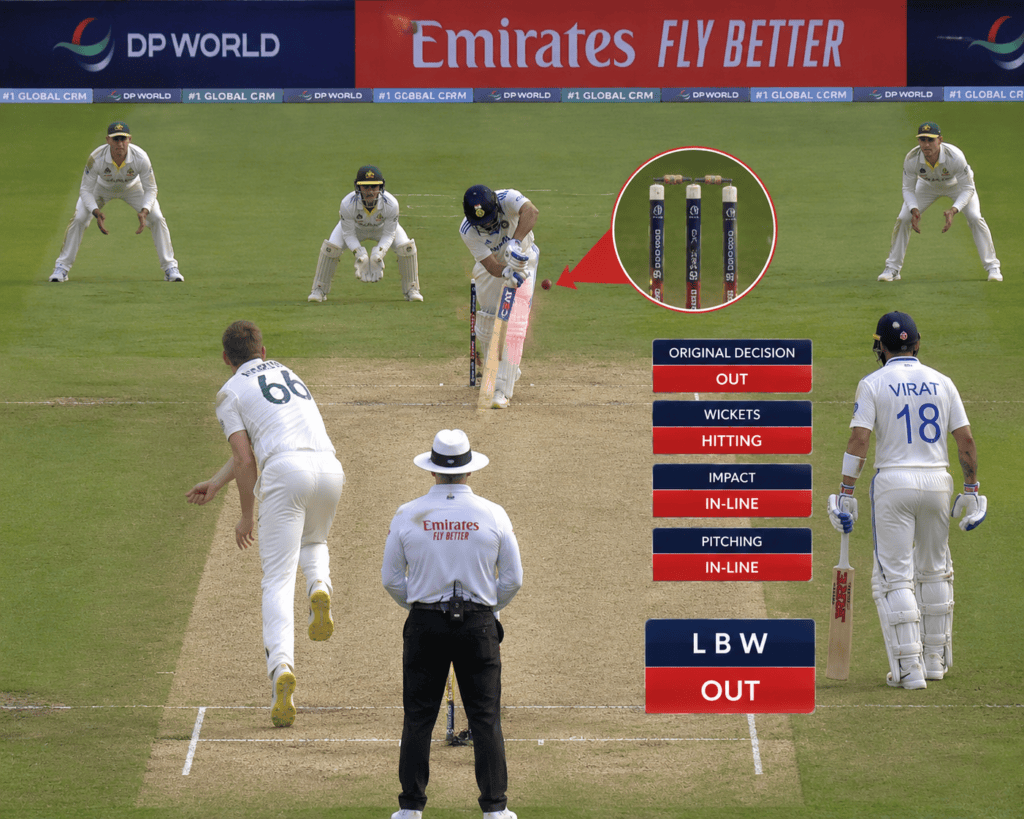
A bowler is bowling an over in a Test match.However, in cricket history, some countries experimented with different numbers of balls per over, such as:
4-ball overs
5-ball overs
8-ball overs
Eventually, international cricket adopted the six-ball over system, which is now used worldwide.
What Is a Legal Ball?
A legal ball is a proper delivery bowled according to cricket rules.
The ball counts as part of the over if:
The bowler bowls within the rules
The delivery is fair
The batter plays or misses it legally
Only legal balls count toward the six deliveries of an over.
What Is an Illegal Delivery?
Some deliveries do not count in the over because they break cricket rules. These are called illegal deliveries.
The two most common illegal deliveries are:
No Ball
A no ball happens when the bowler breaks a bowling rule, such as:
Crossing the crease line
Bowling above waist height
Throwing instead of bowling properly
The batting team gets an extra run, and the ball must be bowled again.
Wide Ball
A wide ball is bowled too far from the batter to hit properly.
The batting team receives one extra run, and the delivery does not count in the over.
Because of no balls and wides, an over can sometimes have more than six actual deliveries.
Example of an Over in Cricket
Here is a simple example of one cricket over:
Dot ball
Single run
Four runs
Wide ball
Two runs
Wicket
Single run
Even though seven deliveries happened, only six legal balls were counted because one ball was a wide.
What Happens After an Over Ends?
Once an over finishes:
The fielding team changes ends
Another bowler bowls the next over
This change creates variety in the game and prevents one bowler from dominating continuously.
Can One Bowler Bowl All Overs?
No. Cricket rules limit how many overs a bowler can bowl in certain formats.
For example:
In T20 Cricket
One bowler can bowl a maximum of 4 overs
In ODI Cricket
One bowler can bowl a maximum of 10 overs
In Test Cricket
There is usually no strict over limit
These rules ensure fair competition and encourage teams to use multiple bowlers.
Overs in Different Cricket Formats
Different cricket formats use different numbers of overs.
T20 Cricket
Each team gets 20 overs
Fast-paced and aggressive
Very popular worldwide
T20 matches usually finish in around three hours.
One Day International (ODI)
Each team gets 50 overs
Balanced format between attack and defense
ODIs are longer than T20s but shorter than Test cricket.
Test Cricket
No fixed over limit for innings
Played over five days
Teams bat until all players are out or innings are declared
Although Test cricket does not limit innings overs, teams still bowl a certain number of overs daily.
What Is Maiden Over?
A maiden over is an over where the bowler gives zero runs from the bat.
For example:
0
0
0
0
0
0
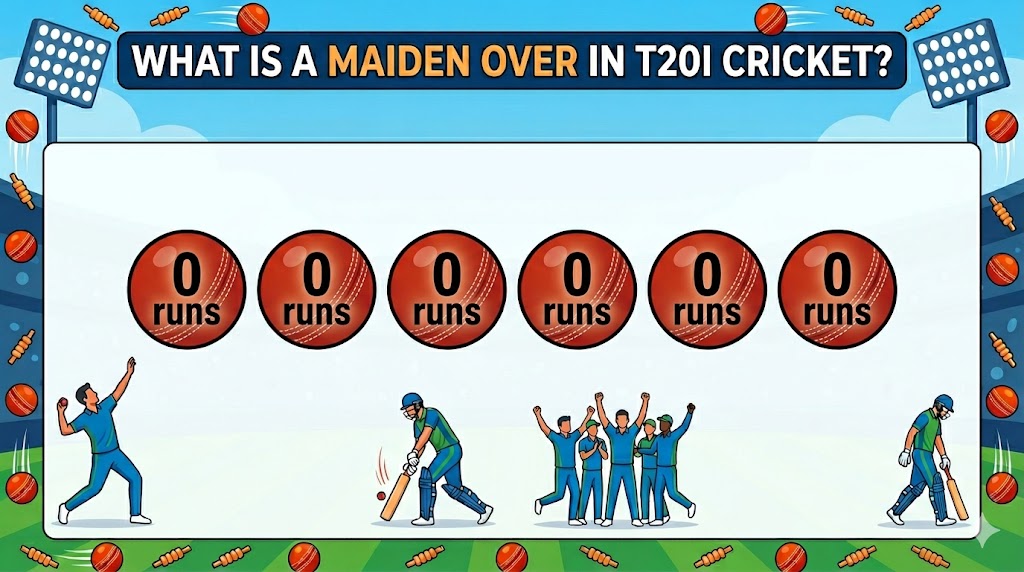
This is called a maiden over.
Maiden overs create pressure on batters and are highly valued in cricket.
What Is Powerplay in Overs?
In limited-overs cricket, certain overs are called powerplay overs.
During powerplays:
Fielding restrictions apply
Fewer fielders are allowed outside the circle
Batters try to score quickly
Powerplays make matches more exciting and increase attacking cricket.
How Overs Affect Match Strategy
Overs are directly connected to cricket strategy.
Batting Strategy
Batters think about:
Remaining overs
Required run rate
Risk-taking opportunities
For example, if only a few overs remain, batters usually attack aggressively.
Bowling Strategy
Captains carefully manage overs by:
Saving best bowlers for key moments
Using defensive bowlers
Planning wicket-taking opportunities
Smart over management often decides close matches.
What Is Run Rate in Cricket?
Run rate shows how quickly a team scores runs.
It is calculated using overs.
Formula:
Run Rate = Total Runs ÷ Overs Faced
For example:
120 runs in 20 overs
Run rate = 6 runs per over
Run rate becomes extremely important in limited-overs cricket.
Why Overs Make Cricket Exciting
Overs create tension and excitement because every ball matters.
In T20 cricket especially:
One over can completely change the match
Batters may score many runs quickly
Bowlers can take important wickets suddenly
Fans often remember dramatic final overs because they decide thrilling finishes.
Interesting Facts About Overs in Cricket
Here are some interesting facts:
A standard over has six legal balls
Overs were not always six balls historically
Fast bowlers and spinners both bowl overs differently
Some bowlers specialize in bowling death overs
Final overs are usually the most intense part of a match
These facts show how important overs are in cricket culture.
Frequently Asked Questions (FAQs)
How long does one over take?
Usually around 3 to 5 minutes depending on the bowler and match situation.
Can a wicket happen on any ball of the over?
Yes. A batter can get out on almost any legal delivery.
Can an over have more than six balls?
Yes, if wides or no balls are bowled.
Who decides the end of an over?
The umpire officially signals the completion of the over.
Want a complete guide on cricket basics? Read: Cricket Rules, Players and Formats
To know about cricket basics, tips and fitness? Visit: JS Sports Hub Cricket Hub
Conclusion
An over is one of the most basic yet important parts of cricket. It consists of six legal deliveries bowled by one bowler. Overs help organize the match, control strategies, and create excitement for players and fans.
Whether you are watching T20 cricket, ODIs, or Test matches, understanding overs will help you enjoy the game much more. From powerplays to final-over thrillers, overs shape every moment of a cricket match.
If you are new to cricket, learning the concept of overs is one of the first steps toward understanding how this amazing sport works.